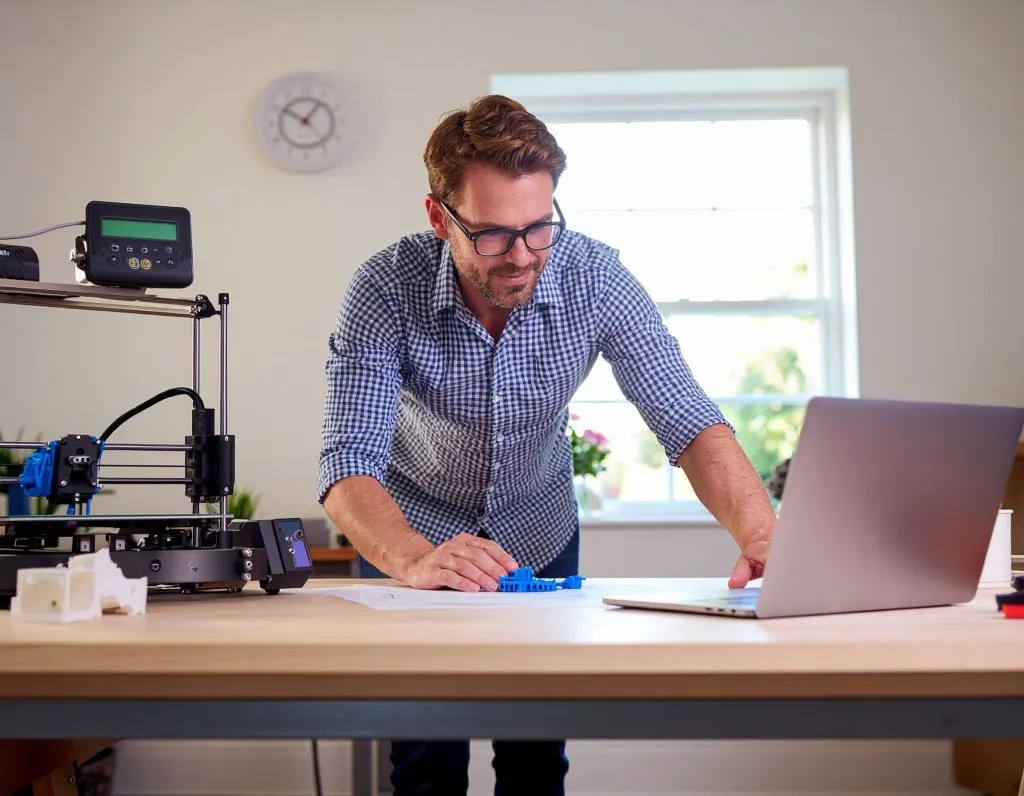
Small batch production is where product ideas stop being theoretical and start facing reality.
This is the stage where real customers touch the product, real defects appear, and real costs become visible. For startup founders and eCommerce entrepreneurs, small batch production is not about efficiency—it’s about learning what breaks before scaling makes mistakes expensive.
Yet many teams treat small batch production like downsized mass manufacturing. They overinvest, overtool, and overcomplicate what should be a controlled validation phase.
This guide explains how small batch production actually works, how it connects to modern prototyping methods, and how founders can move from concept to 20–100 units without locking into the wrong decisions too early.
What Small Batch Production Really Means (and What It Doesn’t)
In practice, small batch production usually means:
- 20–100 units
- Real materials, not mockups
- Repeatable assembly
- Sellable quality—not perfection
Small batch production is not:
- A miniature factory
- A cost-optimized operation
- A final manufacturing solution
Its purpose is risk reduction, not scale efficiency.
Why Small Batch Production Exists Between Prototyping and Manufacturing
Traditional product development jumps from prototype to factory too quickly. That gap is where most startups fail.
Small batch production exists to answer questions that prototyping alone cannot:
- Can this product be built repeatedly?
- Does assembly time explode after unit 10?
- Do tolerances stack up in real life?
- Are materials and finishes consistent enough to sell?
- Does packaging survive shipping?
This is why small batch production must be tightly connected to product design prototyping, not treated as a separate phase.
Prototyping Methods That Feed Into Small Batch Production
Founders often think prototyping ends once a “working version” exists. In reality, the most important prototyping happens during small batch production.
Key Prototyping Methods Used in Small Batch Runs
- Rapid 3D printing for enclosures, brackets, and fast design changes
- CNC prototyping for metal and precision parts
- Silicone molding for repeated plastic components
- Quick-turn PCB builds for electronics validation
These methods allow teams to adjust designs while producing real units—something mass manufacturing does not allow.
Rapid 3D Printing in Small Batch Production
Rapid 3D printing is one of the most practical tools for small batch production because it prioritizes speed and flexibility.
Where 3D Printing Works Best
- Early enclosures
- Custom mounts and fixtures
- Iterative parts that may change mid-run
- Products with low mechanical load
3D printing allows founders to:
- Modify designs between batches
- Avoid tooling costs
- Learn where parts fail in real usage
Where It Breaks Down
3D printing struggles when:
- Tight tolerances are required
- Surface finish must be perfect
- Structural loads are high
At that point, other prototyping methods take over.
CNC Prototyping: When Precision Matters
CNC prototyping becomes critical when repeatability and strength matter more than speed.
Why CNC Fits Small Batch Manufacturing
CNC prototyping is ideal for:
- Metal brackets and frames
- Structural components
- Parts with tight tolerances
It bridges the gap between prototype and factory by exposing:
- Machining constraints
- Assembly alignment issues
- Real material behavior
CNC parts often look “production-ready,” but their real value is process validation, not appearance.
Small Batch Manufacturing Is About Process Discovery
Small batch manufacturing reveals problems that don’t show up in single prototypes.
Common discoveries include:
- Assembly steps that seemed trivial but take too long
- Parts that vary just enough to cause misalignment
- Fasteners that loosen after shipping
- Materials that behave differently in volume
These lessons are expensive to learn after mass production begins.
How Product Design Prototyping Evolves During Small Batches
During small batch production, product design prototyping shifts focus.
Early prototyping asks:
- Does it work?
Small batch prototyping asks:
- Does it work every time?
- Can someone else assemble it?
- Does it survive handling and shipping?
- Does cost stay within target margins?
This is why design changes often increase during small batch runs—and why flexibility matters more than optimization.
Common Mistakes Founders Make in Small Batch Production
Many startups fail at this stage for predictable reasons:
- Treating small batch production like mass manufacturing
- Locking designs too early
- Overinvesting in tooling
- Ignoring assembly and packaging
- Choosing speed over learning
Small batch production should feel slightly uncomfortable—it means reality is being tested.
A Smarter Small Batch Production Strategy
Instead of asking:
“How do we make this efficiently?”
Founders should ask:
“What do we still need to learn before scaling?”
Then choose the simplest prototyping method that exposes that risk.
That mindset prevents expensive mistakes later.
Why Small Batch Production Experience Matters
The difference between a successful small batch production run and an expensive manufacturing setback often comes down to experience. While many founders focus on producing units as quickly as possible, the most valuable outcome of a small batch run is the information it provides about product performance, assembly processes, manufacturing readiness, and customer acceptance.
PrototyperLab combines more than 20 years of product development and engineering experience with hands-on manufacturing expertise to help startups navigate this critical stage between prototyping and production. Having supported the development of more than 100 SKUs across consumer products, electronics, robotics, automation systems, and eCommerce-focused products, the team has seen firsthand how small production runs uncover issues that are rarely visible during early prototyping.
This experience allows PrototyperLab to help founders identify manufacturing risks before they become costly production problems. Areas such as assembly efficiency, material performance, tolerance management, packaging durability, supplier readiness, and production scalability can all be evaluated during small batch production, reducing the likelihood of expensive redesigns after launch.
Unlike traditional development firms that separate prototyping from manufacturing, PrototyperLab integrates rapid prototyping, CNC machining, vacuum casting, small batch manufacturing, and production planning into a single development pathway. Supported by U.S.-based project oversight and Vietnam manufacturing capabilities, founders gain access to rapid iteration, cost-effective production resources, and a clear transition from validation to scale.
For early-stage hardware products, small batch production is often where the most valuable lessons are learned. The goal is not simply to produce 20 to 100 units. The goal is to gather the real-world data needed to improve the product, validate demand, and prepare for sustainable growth with greater confidence.
How PrototyperLab Approaches Small Batch Production
PrototyperLab treats small batch production as a controlled learning phase, not a downsized factory.
The approach combines:
- Rapid 3D printing
- CNC prototyping
- Flexible prototyping methods
- Iterative product design prototyping
With:
- 30-day prototyping cycles
- Small batch manufacturing starting at 20 units
- Transparent $25/hour engineering pricing
- U.S.-based contracts with Vietnam-based production advantages
This allows founders to validate demand, refine design, and prepare for scale—without locking into premature manufacturing decisions.
Small Batch Production Is the Real Launch Test
Small batch production is the moment when a product stops being an idea and starts behaving like a business.
It reveals:
- True costs
- Real constraints
- Hidden risks
Founders who respect this phase don’t just launch faster—they launch smarter.
Ready to Move From Prototype to Small Batch?
PrototyperLab helps founders bridge the gap between prototyping methods and small batch manufacturing—without overbuilding, overpaying, or overcommitting.If the goal is to validate a product with 20–100 real units, start small batch production with PrototyperLab.
Send over a sketch, a CAD file, or just a description of what the product needs to do. A real quote comes back within 48 hours.
Get a free quote