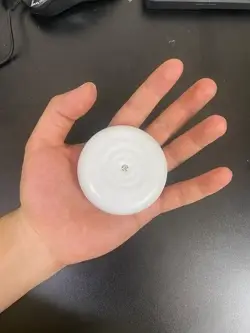
Get 20 to 100 units built and into customers’ hands before committing to a factory order. Plastic, wood, metal, ceramics, fabric, resin, silicone, and more.
Per-unit cost is always quoted based on your specific product, material, and quantity.
How it works
01
Share your approved prototype
Photos, CAD files, and bill of materials. Target quantity, material, and timeline. A prototype must be approved before small batch begins.
Brief confirmed within 24 hours
02
Receive per-unit quote within 48 hours
Per-unit cost covering material, fabrication, finishing, and packaging. Full transparency before you commit to the run.
Itemized per-unit quote and timeline
03
Pay deposit — units in 2 to 4 weeks
50% deposit locks in your run. We produce, quality inspect, and ship to you or directly to Amazon FBA.
Units delivered in 2 to 4 weeks
Client Reviews
What our clients say
★★★★★
PrototyperLab were quick and efficient — had our first prototype ready in just two weeks. The whole process was low-risk, making it easy to test new products with our existing customers. At first, I thought we’d use them for development and then move mass production to our factory in China, but their pricing was very competitive. Keeping production with PrototyperLab meant better quality control and ongoing improvements, so there was no reason to take the risk of moving it elsewhere.
Jared Stephens
UNICONFETTI, Entrepreneur, UK
★★★★★
We found PrototyperLab through a recommendation from another brand, and to be honest, we weren’t sure what to expect. We shared one of our new product ideas and its use case, and within a few days, they had a physical plastic prototype ready. I was seriously impressed. The pricing is super reasonable, which means we can test out even more product ideas, especially those with electronics or automation. It’s a huge time-saver for us, letting our team focus more on launching and marketing instead of getting stuck in long development cycles.
Danne
OWLHAUS, Founder, US
★★★★★
Superb company and service. Tai and his team have been super helpful, responsive and hands on in assisting with prototype design and production, rapid turnaround on queries and fairly priced. I continue to use them beyond the initial services I engaged them on. Trust worthy and reliable. Highly recommend.
Chico Hunt
Entrepreneur, Dubai
★★★★★
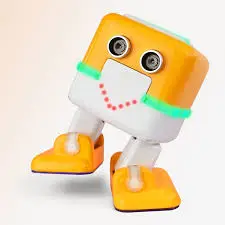
We wanted a functional, expandable robot that didn’t blow our budget. PrototyperLab helped us make it real — fast. 690 engineering hours covering hardware, firmware, and a 150-hour STEM curriculum developed alongside the product. The 20-unit production run validated demand before we committed to scaling.
Torotic Founder
TOROTIC, Education Hardware, Vietnam
★★★★★
…From day one, they’ve treated my project with professionalism, honesty, and genuine enthusiasm. Communication has been outstanding, they’re upfront about costs and timelines, and they’ve made the entire process feel approachable for a solo entrepreneur… They can help with the entire journey—from an idea, to design, prototyping, manufacturing, and even guidance on e-commerce and fulfillment. If you’re a small business owner, inventor, or entrepreneur looking for a team that truly supports you, I highly recommend them. I’m already looking forward to working with them on my next product.
Kai
Kai Land Press LLC, Atlanta, GA
Our Guarantee
What we promise on every project
We believe in fair, transparent, and results-driven partnerships. Here’s what you can count on.
01
No upfront payment until you approve the quote
Getting a quote is fast, hassle-free, and completely risk-free. You won’t pay a dime until you approve the full project estimate.
02
No extra charges for delays on our end
If we take longer than the quoted hours to complete your project, you won’t pay for the extra time. The quoted hours are the ceiling, not an estimate.
03
A fully tested, working product
We don’t just build prototypes — we ensure they function as intended before delivery. You receive a working product, not a visual model.
04
On-time delivery
Your prototype will be in your hands within the agreed timeline. If something changes on our end, we tell you immediately — not after the fact.
05
No hidden fees in production
We don’t mark up material or production costs. Our entire profit margin comes only from our engineers’ $25/hr rate. Materials are passed through at cost.
06
US-based contracts and legal protection
We are a US-registered company. All contracts and payments are handled within the US, so there’s no risk of dealing with international disputes or unenforceable agreements.
07
Milestone approval, every step
You approve CAD designs, prototype photos, and production samples before we proceed to the next stage. No stage begins without your sign-off. No black boxes, no surprises.
08
Direct engineer access on every project
Your project gets one or two dedicated engineers from start to finish. No sales reps, no account managers, no communication layers — just you and the people actually building your product.
Frequently asked questions
What is the minimum order quantity for small batch manufacturing?
20 units across all materials. For injection-molded plastic parts using aluminum molds, the minimum is 50 units.
Is small batch production profitable?
Yes, at the right price point. For ecommerce products, aim for a 4x to 5x markup on your total landed cost. If your product costs $10 landed, the minimum viable retail price is $40. That covers Amazon fees, storage, advertising, and returns.
Simple single-material products: 2 to 4 weeks for a 20 to 50 unit run. Products with multiple components, electronics, or complex finishing: 5 to 8 weeks. Your quote includes a specific timeline.
Can you ship directly to Amazon FBA?
Yes. We prepare your units to Amazon FBA standards including poly bagging, labeling, suffocation warnings, and carton labeling, then ship directly to the fulfillment center of your choice.
Do I need a prototype before ordering a small batch?
Yes. A small batch production run assumes the design is approved and validated. If you do not yet have an approved prototype, start with our rapid prototyping service.