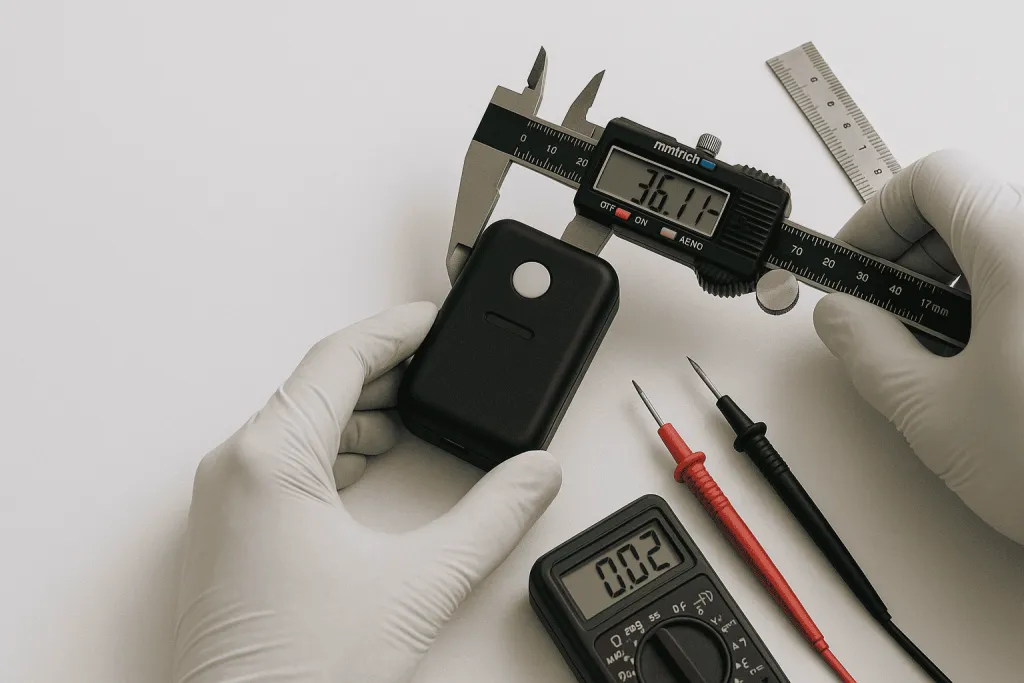
Building your first prototype feels like crossing the finish line, but it’s actually just the starting point. Most inventors and entrepreneurs hit a wall here, unsure whether to celebrate or panic.
The truth? The next steps after your first prototype determine whether your innovation becomes a market success or joins the graveyard of “almost-made-it” products.
The Critical First 48 Hours After Prototype Completion
Your immediate prototype next steps should focus on documentation and initial assessment. Before the excitement fades, document everything: what works, what doesn’t, unexpected behaviors, and your gut feelings about the design. This raw feedback becomes invaluable during the prototype iteration process phases.
Take photos from multiple angles, record functionality tests, and note any performance issues. This documentation prevents the common mistake of forgetting critical observations that seemed “obvious” at the time.
Prototype Testing and Validation: Your Reality Check Phase
Functional Testing First
Start with basic functionality testing before showing anyone else. Does your prototype do what you designed it to do? Test every feature systematically. Many inventors discover design flaws at this stage that are far cheaper to fix now than later in prototype development.
Create a simple test protocol:
- Core functionality verification
- Stress testing under normal use conditions
- Edge case scenario testing
- Durability assessment over multiple use cycles
User Testing Reality
User testing reveals the gap between your vision and user needs. Schedule sessions with 5-8 people from your target market. Don’t explain how it works—watch them figure it out. Their confusion points are your design problems.
Document everything during prototype user testing: where users hesitate, what they try to do that your prototype can’t handle, and their emotional reactions. This feedback drives your prototype refinement services strategy.
The Prototype Iteration Process: When to Pivot vs. Persevere
Identifying Critical vs. Nice-to-Have Changes
Not all feedback deserves action. Categorize improvements into three buckets:
- Critical: Affects core functionality or safety
- Important: Improves user experience significantly
- Nice-to-have: Minor enhancements
Address critical issues immediately. Important improvements go into your next iteration cycle. Nice-to-have features wait until your core prototype performs flawlessly.
The 3-Iteration Rule
Plan for at least three major prototype design optimization cycles. The first iteration fixes obvious problems. The second addresses user feedback and performance issues. The third focuses on prototype cost optimization and manufacturing considerations.
This approach prevents endless tinkering while ensuring thorough prototype development roadmap execution.
Prototype Performance Testing: Beyond Basic Functionality
Technical Performance Metrics
Establish measurable benchmarks for your prototype’s performance. If it’s a mechanical device, measure speed, accuracy, and failure rates. For electronic products, track power consumption, processing speed, and thermal performance.
Compare these metrics against your original specifications and competitor products. This prototype performance analysis guides your optimization priorities.
Material and Component Evaluation
Your initial prototype material selection might not be optimal for production. Test alternative materials that could improve performance or reduce costs. Document how different materials affect functionality, durability, and user experience.
This testing phase often reveals opportunities for significant prototype cost reduction without sacrificing quality.
Prototype to Production Planning: Bridging the Gap
Manufacturing Feasibility Assessment
Your prototype might work perfectly, but be impossible to manufacture at scale. Evaluate each component and assembly process for production viability. Identify parts that need redesign for automated manufacturing or cost-effective materials.
Consult with manufacturers early in your prototype development process. Their insights prevent costly redesigns later when you’re ready to scale.
Supply Chain Considerations
Map out your potential supply chain before committing to specific components or materials. Some prototype components might have long lead times, single-source suppliers, or quality inconsistencies that could derail production.
Prototype vendor selection becomes critical at this stage. Establish relationships with reliable suppliers who can grow with your business.
Prototype Market Validation: Testing Commercial Viability
Beyond Friends and Family
Your prototype needs honest market feedback, not polite encouragement. Reach out to potential customers, industry experts, and even competitors for objective assessments.
Create simple prototype demonstration techniques that showcase your product’s value proposition clearly. Focus on benefits, not features. If people don’t immediately understand why they need your product, refine your messaging or your design.
Competitive Analysis Integration
Study how your prototype compares to existing solutions. Identify your competitive advantages and weaknesses honestly. This analysis guides both your marketing strategy and future development priorities.
3 Common Prototype Development Pitfalls to Avoid
1. The Perfection Trap
Many inventors spend months perfecting minor details while ignoring major user experience problems. Set iteration deadlines and stick to them. Perfect is the enemy of good, and good enough gets you to market faster.
2. Ignoring Manufacturing Constraints
Designing for manufacturing from early iterations saves massive headaches later. Complex geometries, exotic materials, and tight tolerances might work in prototypes but fail in production.
3. Insufficient Testing Diversity
Testing only with early adopters or tech-savvy users creates blind spots. Your actual customers might use your product differently than expected. Include diverse user groups in your prototype evaluation techniques.
Building Your Prototype Development Team
When to Seek Professional Help
Recognizing when you need professional prototype consulting services is crucial. If you’re spending more time troubleshooting than improving, or if technical challenges exceed your expertise, professional rapid prototyping iteration services can accelerate your timeline significantly.
Professional services excel at prototype design review, technical analysis, and connecting you with manufacturing partners. They’ve seen common problems before and can guide you around predictable pitfalls.
So, Make Sure the Next Steps After Your First Prototype Are Strategic
Your prototype’s next steps depend on your current stage, but every innovator should:
- Complete comprehensive prototype testing and validation
- Document all findings systematically
- Plan your iteration cycles strategically
- Begin manufacturing feasibility research
- Start building relationships with potential manufacturing partners
The gap between prototype and product is where most innovations fail. Success requires systematic execution of proven prototype development strategies, not just inspiration and hard work.
Transform your prototype into a market-ready product. Get a quote from the experts. Our professional rapid prototyping services can accelerate your development timeline and help you avoid costly mistakes.
Send over a sketch, a CAD file, or just a description of what the product needs to do. A real quote comes back within 48 hours.
Get a free quote